






“It Still Works… Should I Really Replace It?”
Many homeowners feel this.
Your floor is not completely broken. You can still walk on it. But it looks old, dull, or slightly damaged.
You start to wonder:
“Is it a waste of money to replace it?”
“Should I just clean it and keep using it?”
That feeling of guilt is normal. No one wants to spend money on something that still seems usable.
Before we continue, we’ve created a simple ebook to help homeowners choose the right flooring and avoid costly renovation mistakes. It includes common errors, easy explanations, and real case studies.
If you are planning to upgrade your home, download the ebook first. It can help you make a better decision.
Now let’s break it down in a simple way.
Why This Decision Feels So Difficult

Replacing flooring is not a small decision. It takes money, time, and effort.
But keeping old flooring also has hidden problems:
- It may make your home look outdated
- It may take more effort to clean
- It may slowly become unsafe
- It may affect how comfortable your home feels
So the real question is not just “Can I still use it?”
It’s “Is it still good for my home?”
When Refreshing Your Floor Is Enough
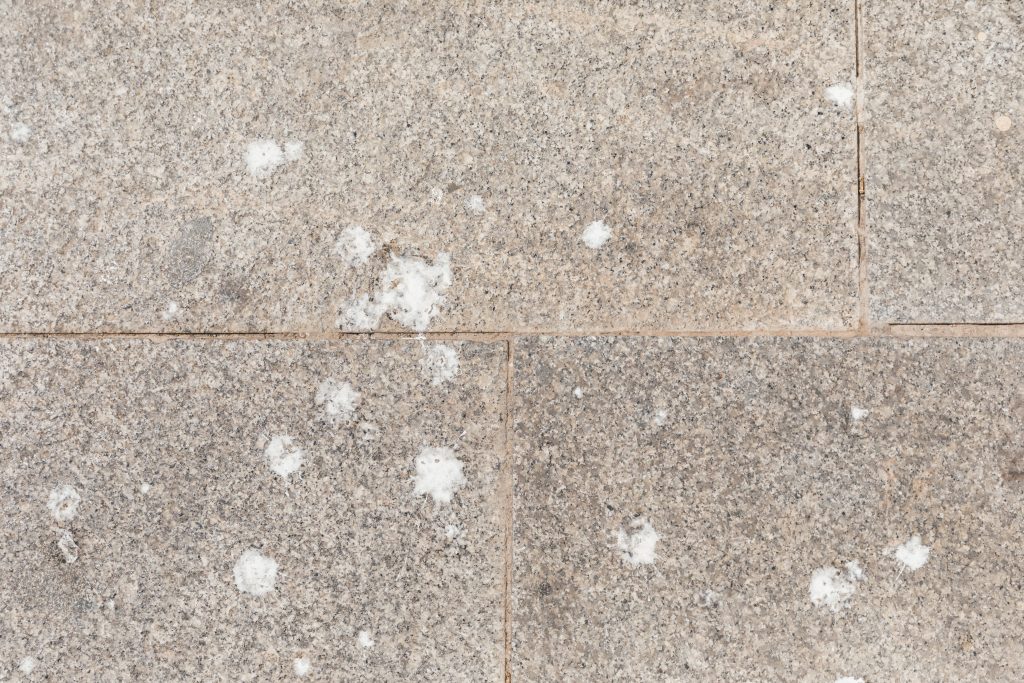
You don’t always need to replace your floor.
Refreshing may be enough if:
- The floor is still flat and stable
- There are only small scratches or dull areas
- Cleaning improves how it looks
- There are no cracks or loose parts
- It still feels safe to walk on
In this case, deep cleaning or small repairs can make your floor look better without high cost.
When It’s Time to Replace

Sometimes, keeping your old floor can cause more problems over time.
You should think about replacing it when:
- Stains won’t go away
Even after deep cleaning, the floor still looks dirty or dull. - The floor still looks old after cleaning
You clean it often, but it never looks fresh or bright again. - There are cracks or uneven areas
These can be dangerous, especially for kids or older family members who might trip. - The floor becomes slippery
Worn floors can get slippery, which increases the risk of falling. - You keep fixing it again and again
Small repairs add up, and you may end up spending more than replacing it. - The space feels outdated
Even with new furniture, the old floor makes the whole room look old.
At this point, replacing your floor is not a waste. It is a smarter choice for the long run.
Who Should Consider Replacing Sooner?

Some homes may need replacement earlier, especially if you have:
- Elderly parents
- Young children
- Pets
- High daily activity at home
Safety and comfort should always come first.
Case Study: Refresh vs Replace
#1 Refresh Was Enough
A homeowner felt their flooring looked dull. They considered replacing it, but decided to try deep cleaning first.
After cleaning and small repairs, the floor looked much better.
They saved money and delayed replacement for a few more years.
#2 Replacement Was the Better Choice
Another homeowner kept cleaning their old tiles, but stains and scratches remained. The floor also felt slightly slippery.
They decided to replace it with a modern vinyl flooring option like Flornano
After replacing:
- The home looked brighter and newer
- Cleaning became easier because of Flornano’s self-sanitising technology
- The floor felt safer
- The space felt more comfortable
In this case, replacing solved multiple problems at once.
How to Decide: Replace or Refresh?
Ask yourself these simple questions:
- Does the floor still feel safe?
- Does cleaning improve how it looks?
- Am I spending more on repairs?
- Does the floor still match my home style?
If most answers are “no,” it may be time to replace.
Why Many Homeowners Choose Vinyl Flooring
If you decide to replace, many homeowners choose vinyl flooring because:
- Easy to maintain: Simple cleaning is enough to keep it looking good.
- Comfortable underfoot: It feels softer and more comfortable compared to hard tiles.
- Modern designs: You can choose styles that match your home and make the space look updated.
- Water-resistant: It handles spills better than many other materials.
- Good long-term value: It helps reduce future repair and maintenance costs.
Many homeowners today also prefer newer and more modern vinyl options such as Flornano. These types of vinyl are designed to be more durable, safer, and easier to care for, making them a practical choice for busy homes. They also come in updated designs that help your space look clean and modern without much effort.
Feeling guilty about replacing your floor is normal. But sometimes, holding on to old flooring can cost you more in comfort, safety, and time.
If your floor still works well, refreshing may be enough.
But if it affects your home’s look, safety, or comfort, replacing it can be the better choice.
For more real-life examples and a simple guide to choosing the right flooring, download our free ebook.
A better home starts from the floor you choose.
Frequently Asked Question
1. Is replacing floor tiles wasteful if they still work?
Not always. Replacing floor tiles may feel wasteful at first, but it depends on the condition. If your floor is hard to clean, slippery, or makes your home look old, replacing it can be a better choice.
Old flooring can also affect your comfort and safety. If you are dealing with the same problems again and again, replacing the floor can save you time and stress in the long run.
You can also read our guide on when to repair vs replace flooring to help you decide.
2. How to update floor tile without replacing it?
If your floor is still in okay condition, you can try to update it without replacing. Deep cleaning and small repairs can help improve how it looks. Adding rugs or changing your furniture can also make the space feel fresher.
But this only works if the damage is small. If stains will not go away or the floor still looks worn out, these changes may not be enough.
3. What are signs that you need replacing floor tiles?
There are a few clear signs that replacing floor tiles is the better choice. These include cracks, stains that will not go away, uneven areas, or slippery spots.
If you keep fixing the same problem again and again, it may cost more over time. Old flooring can also make your whole home feel outdated, even if the rest looks new.
Replacing the floor can fix these problems all at once.
4. How long does replacing floor take?
Many people ask how long does replacing floor take before they start. The time depends on how big your space is and the type of flooring you choose.
For most homes, it can take a few days to about a week. Vinyl flooring is usually faster to install than tiles, so it is a good option if you want a quicker update.
Planning ahead can also help make the process smoother.
5. How much does replace floor cost?
The cost of replacing flooring depends on the size of your space and the type of material you choose. Some floors may cost less at first but need more repairs later.
Vinyl flooring is a popular choice because it is easier to take care of and lasts longer. This can help you save money over time.
If you are planning your budget, you can read our guide on flooring costs and options to learn more.